
The BioProducts Advancement Network of South Africa (BioPANZA) is the national coordination network for the bioprospecting and biotrade sector.

BioPANZA was established by the SA government departments of:
- Forestry, Fisheries and the Environment (DFFE)
- Science, Technology and Innovation (DSTI)
- Trade, Industry and Competition (the dtic)
BioPANZA gives effect to the National Biodiversity Economy Strategy (NBES), which provides the strategic framework for developing the bioprospecting and biotrade sector as one of South Africa’s biodiversity economy subsectors, in support of the National Development Plan: Vision 2030.
BioPANZA’s role
BioPANZA is mandated to ensure effective coordination and efficient collaboration between public and private players in the bioprospecting and biotrade sector. Its aim is to support the development and improvement of the sector to create a sustainable, inclusive and commercially viable industry.
BioPANZA harnesses existing government initiatives to address the innovation chasm and promote applied research, and stimulates local processing, innovation and product development.
It supports the increase in demand and local value addition of South Africa’s indigenous biological resources, and takes South African value-added natural ingredients to domestic, regional and international markets.
BioPANZA does not replace organisations that already support MSMEs. Its role is to coordinate these organisations and make them more visible in the sector.
The BioPANZA clusters
The BioPANZA network operates through five functional clusters:
- Policy and Legislation Cluster
- Finance Cluster
- Market Access Cluster
- Innovation Cluster
- Sustainable Supply Cluster
The BioPANZA clusters respond to the five Phakisa initiatives identified during the 2016 Biodiversity Economy Lab, covering mass cultivation of priority plant species, sustainable wild harvesting management plans, enterprise coordination and market access, alignment of national legislation with the Nagoya Protocol on Access and Benefit Sharing of indigenous species, and improvements to the Bioprospecting, Access and Benefit Sharing (BABS) permitting system.
All activities by BioPANZA and its clusters are conducted within the regulatory framework established by the National Environmental Management: Biodiversity Act (NEMBA, Act 10 of 2004), the BABS Regulations, and South Africa’s international obligations under the Nagoya Protocol on Access and Benefit Sharing.
BioPANZA secretariat
The DFFE provides the overall secretariat function for BioPANZA and is responsible for coordinating implementation across all five clusters, convening the BioPANZA Steering Committee and ensuring the cross-cluster shared information protocol functions consistently and without fragmentation.
The BioPANZA secretariat maintains the MSME pipeline management and referral tool as a practical instrument to support the clusters. It makes opportunities in the biotrade sector visible to MSMEs, and in turn makes biotrade MSMEs visible to anyone with something to offer within the BioPANZA domain.
The BioPANZA secretariat tracks each MSME through their lifecycle stages and referrals, so gaps and bottlenecks in the support landscape become visible to the network.
BioPANZA pipeline management and referral tool
The BioPANZA pipeline management and referral tool holds the database of registered MSMEs to support and promote the biotrade sector. The tool provides:
- An accurate picture of the South African biotrade sector, based on verifiable data
- Evidence of sector trends, common compliance challenges and market opportunities
- Strengthened visibility and credibility of the biotrade sector
- Directed networking, market intelligence and business matching
- Referrals to the right support for MSMEs. The tool refers MSMEs to the partner best placed to assist with advice on policy and permits, technical or financial support, market access support and advice, supply support or referral to the correct innovation partner.
- A searchable database providing customised extracts of vetted MSMEs for investors, banks, corporate buyers and others.

The five functional clusters
The Policy & Legislation Cluster
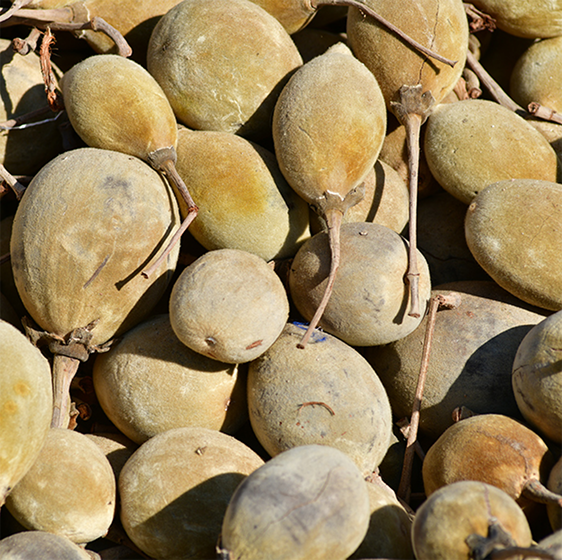
The Policy and Legislation Cluster coordinates policy development for bioprospecting and biotrade across government departments and agencies, and oversees alignment with NEMBA and the Nagoya Protocol and more efficient BABS permitting. It maps the regulatory landscape and anchors ABS compliance facilitation, so MSMEs and other clusters know where to go with a compliance question.
The Policy and Legislation Cluster holds primary responsibility for ABS compliance facilitation across the BioPANZA network, delivered in collaboration with the Market Access Cluster, the Finance Cluster, and the Sustainable Supply Cluster. Where any cluster’s activities involve or affect MSMEs, communities, or other actors engaged in the commercialisation of indigenous biological resources, those activities must promote awareness of ABS compliance requirements and refer compliance queries to the Policy and Legislation Cluster through the DFFE secretariat.
The Finance Cluster
The Finance Cluster coordinates funding mobilisation and oversees partnerships with financial institutions, offering blended finance solutions for South African MSMEs. It maps available funding sources so MSMEs can see what is available and which funder to approach for a particular need.

The Market Access Cluster
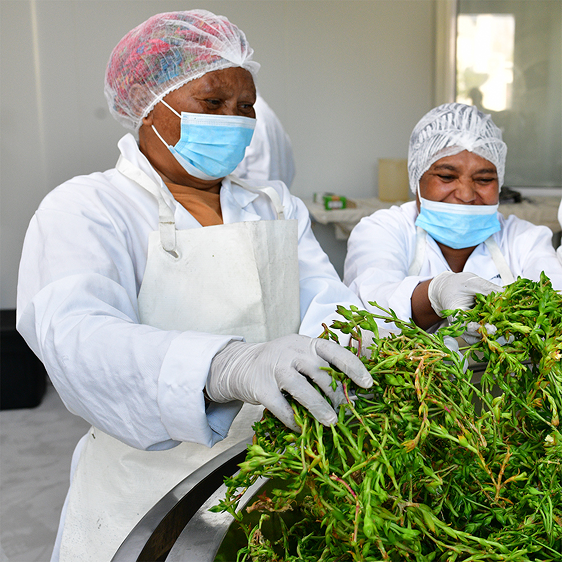
The Market Access Cluster coordinates market intelligence and guidance on access to local, regional and international markets. It links support organisations and MSMEs, mapping available market access support and matching MSMEs to the organisations best placed to help.
The Innovation Cluster
The Innovation Cluster provides strategic technical and governance advice and oversight for national innovation programmes that turn biodiversity and knowledge into products. It maps innovation actors and programmes in the sector and connects MSMEs to the technical expertise they need to develop products.
The Sustainable Supply Cluster
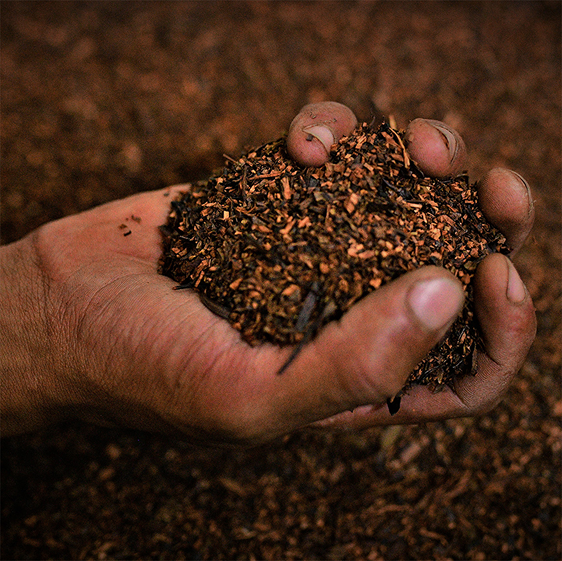
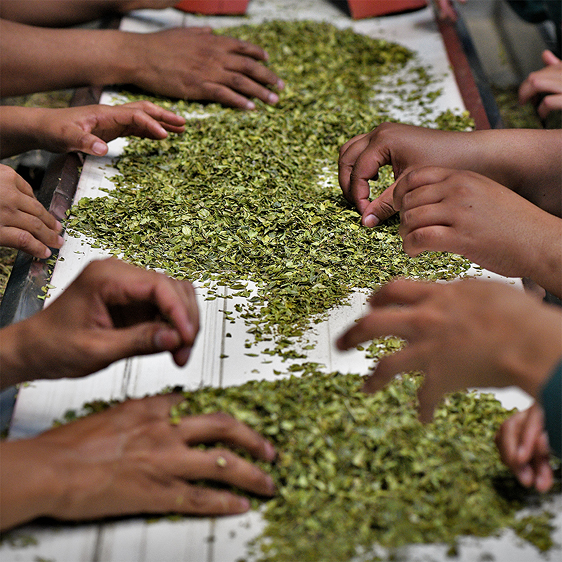
The Sustainable Supply Cluster coordinates and oversees cultivation and sustainable wild harvesting opportunities, including support for 25 priority species and management plans for seven high-value species. It maps the supply base, so buyers and MSMEs can see where sustainably sourced material comes from and which organisations support its production.
Contact BioPANZA
For all BioPANZA inquiries please contact Katedi Mantsho by email at